With over 100 million workouts completed during the last ten years, TrainerRoad athletes have gained an incredible amount of experience, so we asked what useful tips they’d learned along the way.
Cycling recovery drinks are the quickest and surest way to get in the calories, carbs, and protein you need after your workout. There are numerous benefits to recovery drinks, and timing them correctly will help you feel confident that your glycogen stores are replenished for your next workout.
Eating the right food at the right time can make all the difference in your training. The best food for cycling isn’t the same for every athlete, though, and will change with the timing, intensity, and duration of your upcoming workout.
A dirty chain can cause expensive components to prematurely wear out, poor shifting, and lost efficiency—costing you watts. Learn a quick and easy way to clean and lube your chain, so you can keep putting in the hard work.
Sometimes, it’s fun to put real life aside and spend a few days focused only on riding your bike and getting fitter. This is commonly known as a training camp, and it’s one of the true joys of cycling for athletes of all abilities. So what should you know before planning your next training camp?
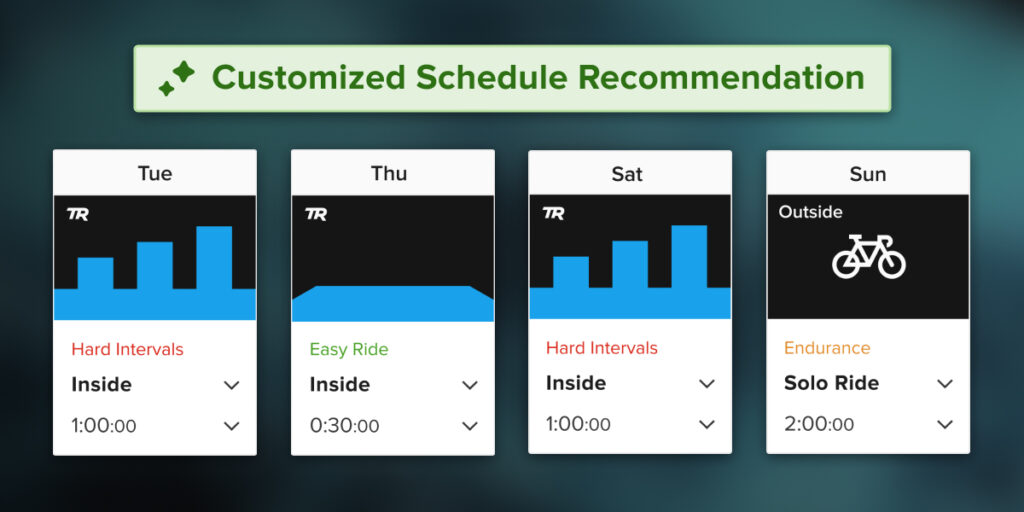
For optimal results, you need to adjust your training plan. Whether it’s because of a change in your schedule or your fitness, there are ways to adjust your plan to achieve your full potential. But what types of changes should you be making?
Every cyclist stands to benefit from some form of cross-training. Cross-training can address performance limiters, guard against injury, and make you a more well-rounded and skillful cyclist.
Protein is an essential macronutrient and plays a major role in the process of getting faster through training. If you’re an endurance athlete you probably need more of it than you think, but timing is key, and there are lots of variables to keep in mind. Let’s clear things up!
In this article, we’ll walk you through what FTP is, how to improve it, and go over the data to help you understand what a good FTP is.
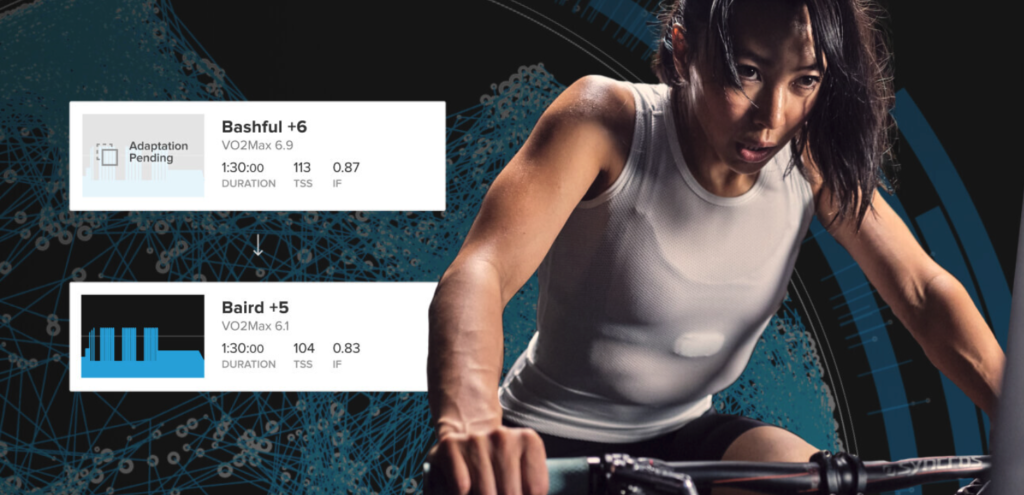
Training Stress Score (TSS), Intensity Factor (IF), and Workout Levels are useful ways to quantify the challenge and effect of a workout. Taken together, these 3 metrics help tell the story of your training, but it’s important to understand the differences of each. What does each metric mean, and how can you use them to get faster?